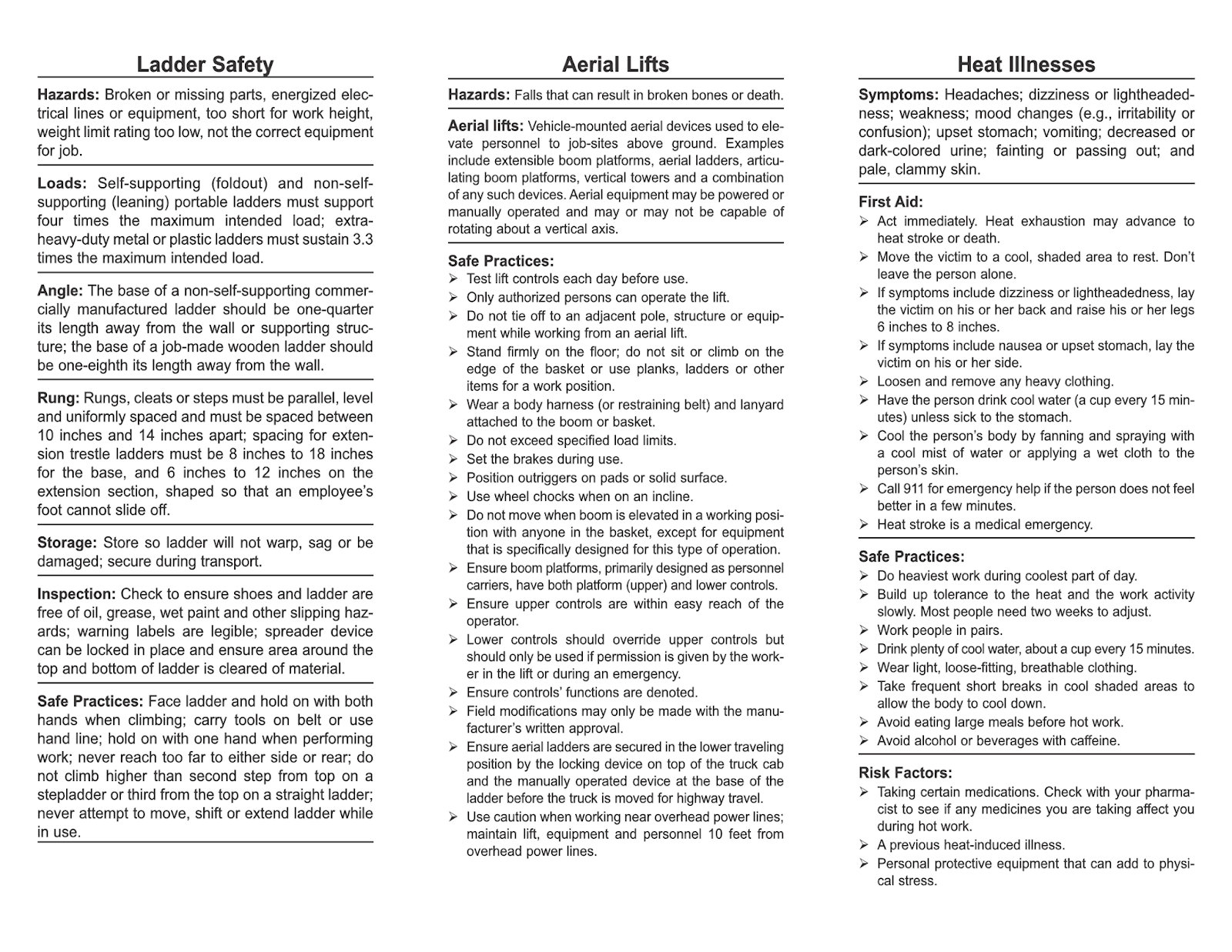
Colorectal cancer is no longer a disease of aging populations alone. In the past two decades, diagnoses among adults under 50 have surged—up 51% since 1994, according to the American Cancer Society. This alarming trend has scientists scrambling for answers. Genetics and lifestyle don’t fully explain the spike. Now, a growing body of research points to an unexpected suspect: the trillions of microbes living in our guts.
Scientists are turning their attention to the microbiome—the complex ecosystem of bacteria, viruses, fungi, and archaea in the digestive tract—searching for microbial fingerprints linked to tumor development. What they’re finding is reshaping how we understand cancer risk, detection, and even treatment.
The Microbiome-Cancer Connection: More Than Just Correlation For years, scientists observed that people with colorectal cancer often had different gut microbiomes than healthy individuals. But correlation isn’t causation. The real breakthrough began when researchers started isolating specific microbes and testing their effects in controlled environments.
One key player: Fusobacterium nucleatum. Once known mainly as a contributor to periodontal disease, this bacterium has been found in high concentrations within colorectal tumors. Studies show it doesn’t just hang around—it actively promotes tumor growth by suppressing immune responses and triggering inflammatory pathways.
Another culprit is Bacteroides fragilis, particularly the enterotoxigenic strain (ETBF). When ETBF colonizes the gut, it releases a toxin that damages DNA in colon cells and activates oncogenes—genes that can transform healthy cells into cancerous ones.
These aren’t isolated cases. A 2023 multi-center study analyzing stool samples from over 4,000 patients found that individuals with high levels of Fusobacterium and Peptostreptococcus had a 3.2 times greater risk of advanced adenomas—precancerous growths.
"We’re moving beyond ‘bad bugs.’ We’re now asking: which microbes are not just markers, but drivers?" says Dr. Lingxin Zhang, a microbiome researcher at the University of Chicago. “The microbiome isn’t just a bystander. It’s a participant.”
Why Is Colorectal Cancer Rising—And Could the Microbiome Be to Blame?
The sharp rise in early-onset colorectal cancer, particularly in Western countries, defies conventional explanations. Obesity, processed diets, and sedentary lifestyles play roles—but they don’t account for the full picture. Enter microbiome disruption, or dysbiosis.
Modern lifestyles are microbial minefields: - Antibiotic overuse, especially in childhood - Diets high in red meat, sugar, and emulsifiers - Chronic stress and disrupted sleep cycles - Reduced exposure to environmental microbes (the "hygiene hypothesis")
Each of these factors can erode microbial diversity, creating space for pro-inflammatory species to dominate.
Consider the Western diet. High in fat and low in fiber, it starves beneficial bacteria that ferment fiber into short-chain fatty acids like butyrate—compounds known to protect colon cells and reduce inflammation. Without butyrate, the gut lining weakens, increasing permeability and setting the stage for chronic inflammation, a known cancer catalyst.

A landmark 2021 study published in Gut tracked 120,000 adults for 25 years. It found that those consuming less than 15 grams of fiber daily had a 28% higher risk of developing colorectal cancer. Their microbiomes showed depleted Roseburia and Faecalibacterium prausnitzii—two butyrate-producing bacteria linked to colon health.
This isn’t just about individual microbes. It’s about ecosystem collapse.
How Scientists Are Hunting Microbial Signatures
To untangle cause from effect, researchers are deploying advanced tools to map microbial activity in real time.
1. Metagenomic Sequencing By analyzing all the DNA in a stool sample, scientists can identify which species are present—and which genes they’re expressing. This has revealed that certain microbial gene clusters, such as those involved in bile acid metabolism, are overrepresented in cancer patients.
2. Metabolomic Profiling This technique measures the small molecules produced by microbes. Elevated levels of secondary bile acids—like deoxycholic acid—have been tied to DNA damage in colon cells. These compounds are byproducts of bacterial metabolism, often linked to high-fat diets.
3. Organoid Models Scientists are growing mini-colon structures from human stem cells and exposing them to specific bacteria. When Fusobacterium is introduced, these organoids develop more mutations and show faster cell proliferation—evidence of direct oncogenic influence.
4. Gnotobiotic Mice These germ-free mice are colonized with human microbiomes from cancer patients or healthy donors. Mice receiving cancer-associated microbiomes develop more tumors, even on identical diets—suggesting the microbiome can independently modulate cancer risk.
One clinical trial at MD Anderson is now testing whether fecal microbiota transplants (FMT) from healthy donors can reverse dysbiosis in patients with precancerous polyps. Early results show reduced inflammation and restored microbial balance in 60% of participants.
From Detection to Prevention: Practical Applications
The ultimate goal isn’t just understanding—it’s action. Scientists are already translating microbiome insights into real-world tools.
#### Early Detection via Microbial Biomarkers
Current screening methods like colonoscopy are effective but invasive and underutilized. Blood tests and stool-based DNA tests (like Cologuard) are improving, but sensitivity remains an issue.
Enter microbiome-based diagnostics. Startups like Micronoma and Oncobiome are developing non-invasive tests that detect cancer-associated microbial signatures in blood or stool.
In a 2022 pilot, Micronoma’s blood test flagged stage I colorectal cancer with 82% accuracy by identifying circulating microbial DNA from Fusobacterium. That’s earlier than most imaging can catch tumors.
#### Targeted Microbial Therapies
Instead of broad antibiotics, researchers are exploring precision antimicrobials that selectively eliminate cancer-linked bacteria.
One approach uses CRISPR-equipped phages—viruses that infect bacteria—to target and destroy Fusobacterium without harming beneficial species. In lab models, this reduced tumor burden by 40%.
Probiotics are also being re-evaluated—not as general supplements, but as engineered interventions. A strain of Lactobacillus modified to produce butyrate is now in phase II trials for patients with inflammatory bowel disease, a major risk factor for colorectal cancer.
#### Dietary Interventions with Microbial ROI
You can’t out-supplement a bad diet—but you can reshape your microbiome through food.
Clinical dietitians are now recommending: - Pulse-based fibers: Lentils, chickpeas, and beans feed butyrate-producing bacteria. - Fermented foods: Kimchi, kefir, and sauerkraut increase microbial diversity. - Polyphenol-rich foods: Berries, dark chocolate, and green tea suppress pathogenic species.
A randomized trial in Nature Medicine showed that a 12-week high-fiber, plant-rich diet increased protective bacteria by 30% and reduced fecal calprotectin (a marker of gut inflammation) by 40%.
Challenges and Limitations in Microbiome Research
Despite progress, significant hurdles remain.
1. Causality vs. Contamination Just because a microbe is found in a tumor doesn’t mean it caused it. Some bacteria may simply thrive in the tumor’s environment without contributing to its growth. Disentangling this requires longitudinal data and functional validation.
2. Microbiome Complexity The gut contains thousands of microbial species interacting in non-linear ways. Targeting one species might destabilize the entire system. “It’s like removing a single instrument from an orchestra and expecting the symphony to sound the same,” says Dr. Amira Metwally, a computational biologist at Johns Hopkins.
3. Individual Variability No two microbiomes are alike. A “high-risk” profile in one person might be neutral in another due to genetic or immune differences. Personalized thresholds are needed.
4. Regulatory and Ethical Gaps FMT and engineered probiotics fall into regulatory gray zones. Long-term safety data is lacking, especially for cancer patients with compromised immunity.
Real-World Use Cases: How
This Research Is Already Changing Medicine
Case 1: The 38-Year-Old with No Family History A woman with no genetic risk factors presented with rectal bleeding. A microbiome analysis revealed high Fusobacterium levels and low microbial diversity. She underwent early colonoscopy, leading to removal of a stage I tumor. Her doctors now monitor her microbiome quarterly.
Case 2: Post-Chemo Recovery Protocol At a cancer center in Boston, patients receiving chemotherapy for colorectal cancer are given a microbiome-preserving regimen: prebiotic fibers, targeted probiotics, and avoidance of unnecessary antibiotics. Early data shows 25% fewer treatment interruptions due to infection.
Case 3: Population Screening in High-Risk Regions In South Korea, where colorectal cancer rates are rising rapidly, public health officials are piloting a stool-based microbiome screening program for adults 40–50. The test combines DNA analysis with microbial biomarkers to identify high-risk individuals for early colonoscopy.
The Road Ahead: Toward Microbiome-Informed Oncology
The dream is a future where your annual physical includes a gut microbiome assessment—flagging imbalances long before polyps form. Where doctors prescribe not just drugs, but dietary plans and microbial therapies tailored to your unique ecosystem.
But we’re not there yet. The field needs larger longitudinal studies, standardized testing methods, and clinical guidelines.
Still, the momentum is undeniable. The National Cancer Institute has funded over 40 microbiome-cancer projects since 2020. Pharmaceutical companies are partnering with microbiome startups. And patients are becoming more aware.
For now, the best strategy is proactive: eat more fiber, limit processed foods, avoid unnecessary antibiotics, and stay up to date with screening—even if you’re under 50.
The microbes in your gut aren’t just digesting your lunch. They’re shaping your cancer risk. Scientists are finally listening.
FAQ
What should you look for in Scientists Probe Gut Microbes for Colorectal Cancer Clues? Focus on relevance, practical value, and how well the solution matches real user intent.
Is Scientists Probe Gut Microbes for Colorectal Cancer Clues suitable for beginners? That depends on the workflow, but a clear step-by-step approach usually makes it easier to start.
How do you compare options around Scientists Probe Gut Microbes for Colorectal Cancer Clues? Compare features, trust signals, limitations, pricing, and ease of implementation.
What mistakes should you avoid? Avoid generic choices, weak validation, and decisions based only on marketing claims.
What is the next best step? Shortlist the most relevant options, validate them quickly, and refine from real-world results.